Creation Service Reflection
Southwell Minster
15th November 2026

Matthew 6:25 – 34
Jesus said:
I tell you, do not worry about your life, what you will eat or what you will drink, or about your body, what you will wear.
Is not life more than food, and the body more than clothing? Look at the birds of the air; they neither sow nor reap nor gather into barns, and yet your heavenly Father feeds them. Are you not of more value than they?
And can any of you by worrying add a single hour to your span of life? And why do you worry about clothing? Consider the lilies of the field, how they grow; they neither toil nor spin, yet I tell you, even Solomon in all his glory was not clothed like one of these. But if God so clothes the grass of the field, which is alive today and tomorrow is thrown into the oven, will he not much more clothe you — you of little faith?
Therefore do not worry, saying, ‘What will we eat?’ or ‘What will we drink?’ or ‘What will we wear?’ For it is the Gentiles who strive for all these things; and indeed your heavenly Father knows that you need all these things. But strive first for the kingdom of God and his righteousness, and all these things will be given to you as well.
So do not worry about tomorrow, for tomorrow will bring worries of its own. Today’s trouble is enough for today.

I think these words deserve to rank among Jesus’s hard sayings. Why?
At one level, all the emphasis that the Southwell Minster Environmental Action Group puts on the importance of responding in a thoughtful and ethical way to the crisis facing our planet is motivated precisely because we are worried.
We are worried about the quality of our water.
We are worried about forever chemicals.
We are worried for those who have no water and face drought, year after year.
We are worried by the polar icecaps melting
We are worried by rising sea levels.
We worry about pollution
We worry about breathable air
We worry about oil pollution in the Gulf because of war
About datacentres gobbling up resources
About governments who seem unable to set any green targets and who continue to pollute
We worry at the local and personal level too:
About our cars (and don’t think that electric ones are the answer to the conundrum)
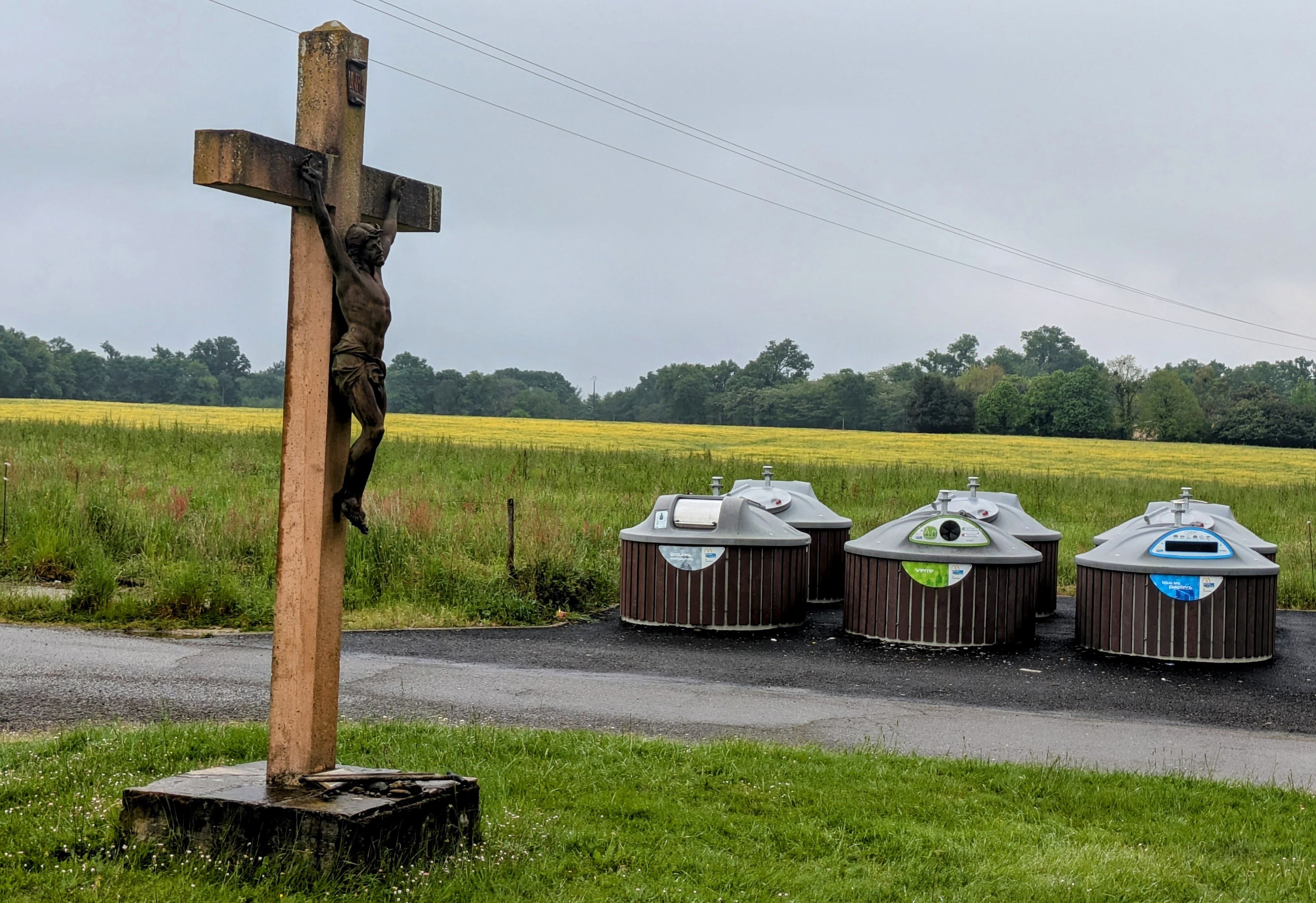
About rubbish and how and what we can recycle
We worry about where all that recycled rubbish ends up
and pesticides on the fields around where we live
and the disappearance of butterflies.
We worry about toothbrushes and their sustainability
Plastic packaging
Slug pellets
The list goes on and on.
Our worrying has no beginning and no end
And against all this, Jesus tells his disciples that they should not worry. Not for tomorrow, not for the future, and not even for today. Troubles come and we must deal with them, but no fretting. How can he say this?
There is of course, countervaling teaching from Jesus himself. The Parable of the Wise Steward proposes dodgy accounting in order to be able to present a good account on the day in the future when it is demanded. Foresight and swift action helped – so perhaps the Steward didn’t really worry at all; presented with an uncomfortable reality he just got on with sorting things out – and was commended for it.
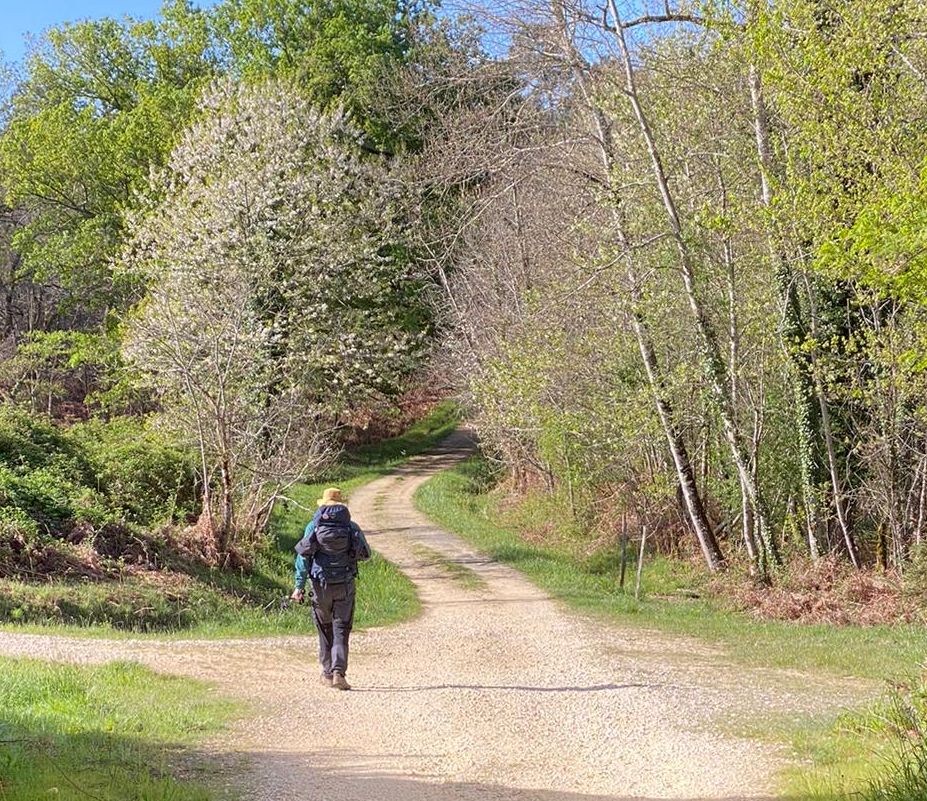
But for the most part, Jesus is much more concerned to see his followers learn the lessons of trust than the skills of prudential foresight. When he sends out his disciples, they are to take very little with them – they are to trust in God and in the generous provision of the people they will meet in the places to which they go. I don’t think many of us, even hardcore pilgrims, do that these days. Someone asked me this week if I booked all accommodation ahead when I go off to walk the Camino, and was surprised when I said I didn’t. It is a conscious choice to resist doing so, to push me nearer being a more trustful person. It always works out, even if there are some scrapes along the way.

So we have to absorb this hard saying of Jesus about not worrying. It pushes against every instinct which eco-consciousness has drummed into us. The alarm about pesticides that was raised by Rachel Carson in Silent Spring in 1962 was only the start of what has become an avalanche of information about the ways in which we endanger life of all kinds on the planet. There is enough in all that literature to make us worried daily. Add to it the global media who pour out mostly bad news stories at us all day, every day, and it is sometimes hard to escape a rather frantic sense of worry. Every measure of pollution and degradation of the environment put out by experts and received by us adds to a sense that time is running out.
From this I take several lessons. The first is a salutary reminder that we are not in charge. I mean that in two ways. We humans are not in charge, though we are responsible for so much that is wrong. God is in charge. In addition, while our concern is important and laudable, we need to remember how very little we are in charge of our own lives. They are, as the Scriptures tell us again and again, very small, very fragile, very brief, and yet at the same time infinitely precious to God, who is in charge. So, secondly, we do well if we push back against the notion that this enormous problem, this crisis, is something to be managed and resolved by us humans. And that if we don’t, it will tip into catastrophe because of human inaction.
Thirdly, in saying that it is God’s world, we do not absolve ourselves from concern and action. We will support those policies and projects that might make some real difference to the state of the planet – we will give our money and voices to them. We will urge them on others, but without badgering them – for even if we were able to get every person in our address books to be as committed as we are, that would still be a drop in the ocean against the power of capitalism. We must be content to be trustful even as we are active. We will do what we can, and we will trust it all to God.
And fourthly, we will do well if we refuse to allow the dreadful state of things to push us into worrying. Instead, prayer for and about these things is precisely a way, if not to conquer, then to put worries in their place. Worry holds close everything that concerns us; when we worry we hug those concerns and never let them go: prayer lets them go; gives them back to the source and origin of all life, whose love created the universe with its billions of billions of light years already unfolded, and who loves us still.
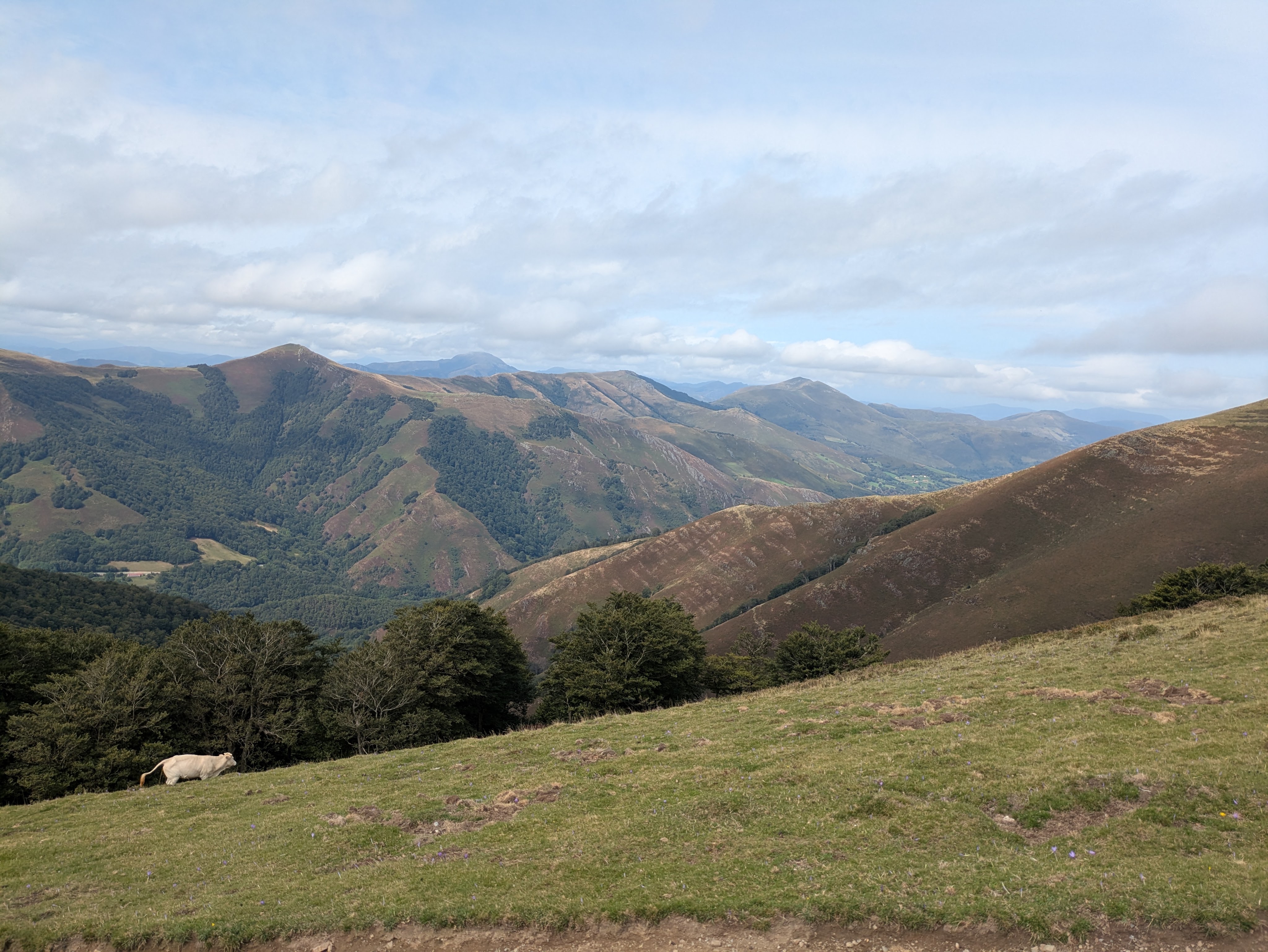
When we pray, we bring all that we hold inside to God: all our fears, anxieties, concerns, worries, hopes, dreams and joys and thanksgivings. Because, to to whom else can we go? Who else knows us and has loved us from before we were born, and who else will love us through death and into life? I think here of how Jesus always took everything to God in prayer. Those nights on the mountains, when he laid before the Father that knowledge of what he was to face, that fear of destruction (if it be possible let this cup pass from me), the responsibility he no doubt felt for those who had left everything to follow him. So Jesus’ hard saying “do not worry”, is born out of his own life and experience. He knows of what he speaks.
And here, at the Minster, for different reasons, we are having to learn in real time, the challenge of the word of Jesus: do not worry. Do not worry for the creation, for the environment, for the Minster, for your loved ones, and for your own lives – do not worry. Trust. Believe. Act. Pray. Have faith.